
Introduction
Yesterday, I rewatched The Conjuring. But this time, I wasn’t just watching it for the chills or the jump scares – I was watching to understand. To see how darkness operates, how evil spreads, and most importantly, how light can fight back.
What struck me the most was that The Conjuring isn’t just a horror film. It’s a lesson in spiritual warfare, a reflection of the battles we face in real life – whether with manipulative people, toxic environments, or our own inner demons. It’s not just about ghosts haunting a house; it’s about how darkness seeps into lives, minds, and relationships.
So, what if we looked at The Conjuring as more than just a horror film? What if it’s actually teaching us how evil works and how we can counter it?
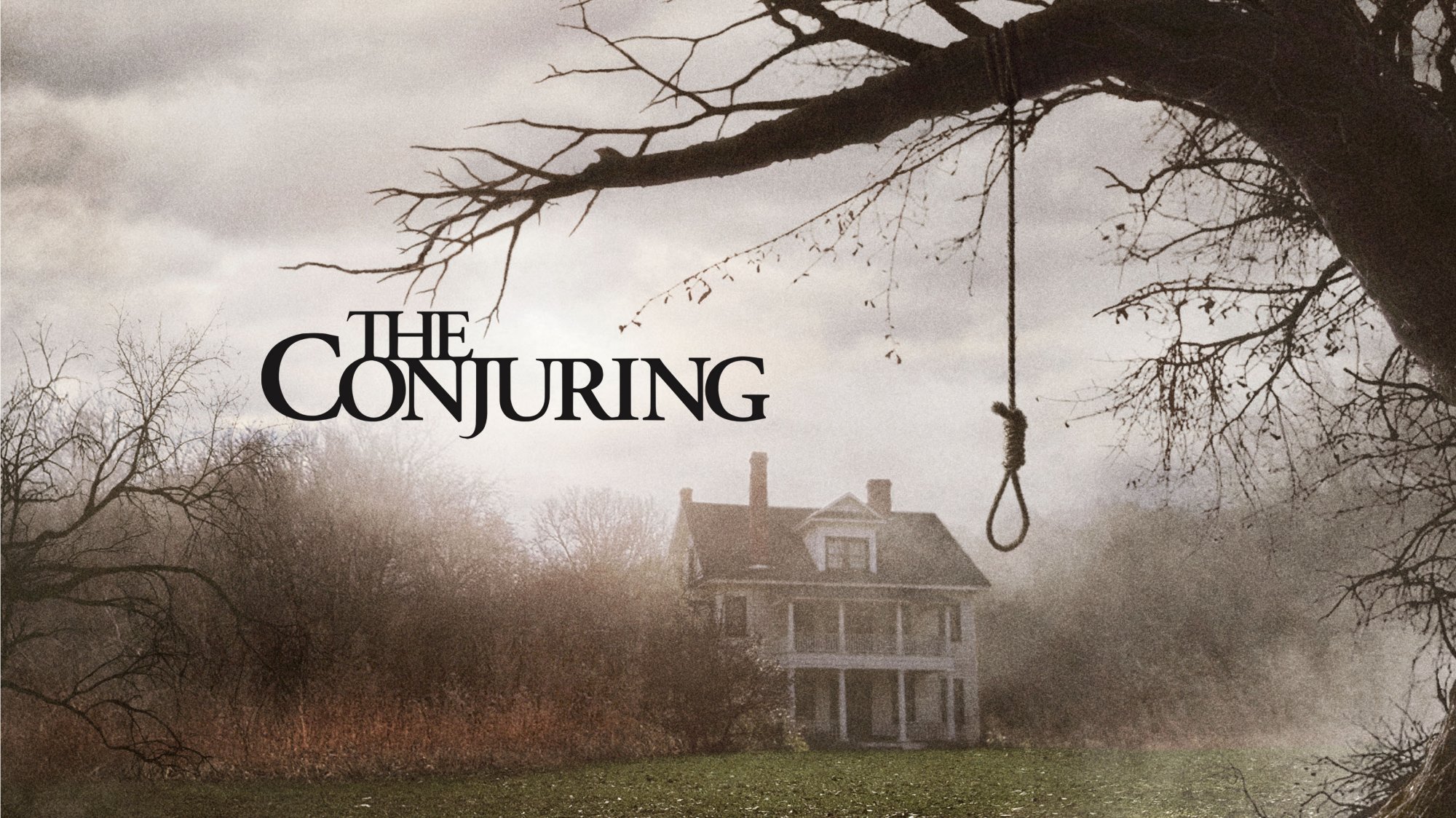
1. Evil Latches Onto the Weak and Vulnerable
Evil, whether in supernatural lore or real life, operates like a parasite. It cannot generate its own power. It looks for an opening – it feeds off fear, doubt, and weakness. It doesn’t attack physically right away. It first weakens the mind. It isolates, confuses, and creates terror – because a fearful person is easier to control. In The Conjuring, we see how the Perron family, especially the mother (Carolyn), becomes the primary target. Why her? Because she is emotionally drained, physically weak, and susceptible. Evil doesn’t just attack randomly; it picks those who are easiest to break.
This is exactly how manipulators, narcissists, and toxic people operate. They seek out those who are scared, those who are struggling – emotionally, mentally, or spiritually – and slowly break them down. Just as the demon in The Conjuring isolates Carolyn and weakens her will, toxic people gaslight, manipulate, and make their victims doubt themselves.
The lesson? If you are emotionally unstable, insecure, or full of fear, you become an easy target for darkness – whether supernatural or psychological.
2. How Evil Overpowers the Weak: The Three-Step Process
In most horror stories (and even in psychological manipulation in real life), evil follows a pattern:
Step 1: Infestation (Weakening the Victim)
At first, evil doesn’t fully attack. It whispers, it unsettles, it creates doubt. In The Conjuring, the family experiences small disturbances – knocking sounds, objects moving, eerie presences. It’s not an outright attack; it’s a test. Evil checks for weak spots.
Real-life parallel: A toxic boss or partner doesn’t immediately abuse someone; they start with small manipulations – gaslighting, testing boundaries, planting self-doubt, making the victim feel uncertain.
Step 2: Oppression (Breaking the Will)
Once fear and confusion take root, the pressure intensifies. The victim becomes mentally exhausted, emotionally drained, and increasingly isolated. In the film, Carolyn weakens both physically and psychologically. She pulls away from her family, becoming more vulnerable to external influence.
Real-life parallel: This is when manipulation deepens. The victim is isolated, flooded with negativity, and slowly stripped of confidence. Depression, addiction, learned helplessness, or toxic belief systems begin to form — not as choices, but as survival responses.
Step 3: Possession (Total Takeover)
In The Conjuring, possession represents the final stage — when the individual’s agency is almost entirely eroded. Evil no longer whispers; it commands. The person’s will is no longer fully their own.
Real-life parallel: At this stage, the individual no longer resists the darkness — they become its conduit, an extension of the invading force. When someone is overtaken by unresolved trauma, hatred, addiction, or ideology, their authentic self recedes. They begin acting from compulsion rather than consciousness — driven by forces they no longer fully understand or control.
Possession, in this sense, is the loss of inner sovereignty.
3. Evil Attacks You Through Loved Ones
One of the most terrifying moments in The Conjuring is when Lorraine Warren loses her necklace in the cellar, and through that, Bathsheba (the malevolent spirit) tries to attack her daughter.
This highlights a terrifying truth: if evil cannot break you directly, it will attack those you love. Because sometimes, that’s the easiest way to break you.
Think about it:
A narcissistic mother can’t break her strong son, so she poisons his bond with his brother or his future wife.
A toxic person may not confront you directly — they manipulate your friends or family against you.
A controlling partner doesn’t attack your dreams – they make sure the people around you stop supporting them.
Evil is patient and strategic. It understands that love is a double-edged sword – it makes us powerful, but it also makes us vulnerable.
Lesson? To fight darkness, you must be aware that it doesn’t always come straight for you – it may attack indirectly.
4. Animals Sense Darkness Before Humans Do
The family dog, Sadie, refuses to enter the house. She senses something humans ignore. Animals are instinct-driven. They don’t rationalize things away like humans do. If they sense something is wrong, they react immediately. Humans, on the other hand, often ignore their intuition.
How many times have we had a gut feeling about a toxic person but ignored it? How many times have we sensed danger but rationalized it away?
Lesson? Trust your instincts. The first sign of danger is usually the truest.
5. Every Battle Against Darkness Leaves a Mark
One of the most powerful lines in the movie comes from Ed Warren:
“Every time Lorraine faces evil, she loses a part of herself.”
This is a deep truth about spiritual, emotional, and psychological battles. Even when you win, you don’t come out unscathed.
When you face evil – whether in a haunted house, in the form of a narcissist, or as suffering in life – you come out changed. You see things you can’t unsee. You understand things you never wanted to understand.
In real life, this happens too:
A soldier may win the war but carry its ghosts forever.
A child who survives an abusive parent may break free but still carry emotional scars.
What is lost?
If you’ve fought toxic people, survived abuse, or been through dark times, you are not the same person you once were. You lose parts of yourself:
🔄Innocence – You no longer see the world with the same naivete.
🔄Blind Empathy – You no longer give your heart to everyone blindly.
🔄Trust in People – You become more cautious, more guarded.
This is both a loss and a transformation. You lose something – that pure child-like innocence, but you gain wisdom, resilience, and self-awareness.
Light burns a part of itself every time it confronts darkness
6. How to Counter Darkness?
So, how do we fight darkness – whether in the form of ghosts, demons, or real-life evil?
Lessons from The Conjuring
Faith: Not just religious, but faith in oneself, in goodness, in a higher meaning.
Love: A strong connection to others acts as a shield (notice how Carolyn is saved by her daughter’s love).
Courage: The moment one refuses to be afraid, evil starts to lose power.
Face it directly – Fear gives evil power. Standing up to it weakens it.
Protect yourself and your loved ones – Fortify the people around you – if you love someone, make them strong too. Don’t just protect them – teach them how to protect themselves.
Trust your intuition – The first warning sign is often the truest.
Heal after battle – Every fight leaves a mark. Retreat, recover, and rebuild.
In the final exorcism scene, Carolyn is saved not by force, but by love and remembrance. Lorraine reminds her of a moment of pure love – breaking the demon’s control over her.
This teaches us that Light doesn’t always fight by attacking – it also fights by remembering what is pure, true, and strong within us.
Conclusion
Watching this film again, I realized that darkness is not just in horror movies – it exists in our lives, in our families, in the people we meet, and in the struggles we face.
The Conjuring is more than a horror film – it’s a study of how darkness operates. Evil preys on the weak, thrives on fear, and attacks through those we love – leaving scars even when defeated.
But it can be countered. With awareness, resilience, and healing, light prevails.
Final Thought
“Darkness reveals our weakest points – but understanding it is how we reclaim power. Awareness is always the first exorcism.”



Leave a Reply